The New York Times, November 13, 2014

Link

In the early 1970s, Sarah Blaffer Hrdy, then a graduate student at Harvard, traveled to India to study Hanuman langurs, monkeys that live in troops, each made up of several females and a male.

From time to time, Dr. Hrdy observed a male invade a troop, driving off the patriarch. And sometimes the new male performed a particularly disturbing act of violence. He attacked the troop’s infants.

There had been earlier reports of infanticide by adult male mammals, but scientists mostly dismissed the behavior as an unimportant pathology.

Continue reading “Unraveling Why Some Mammals Kill Off Infants”


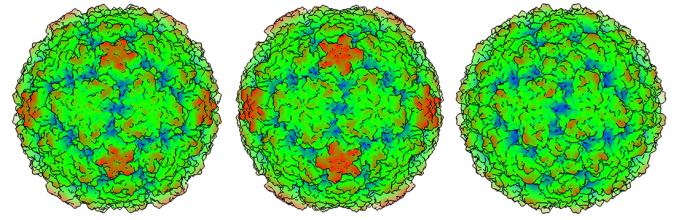
As the year comes to a close, people are starting to puke. The notorious stomach bug known as norovirus is starting its annual rampage, which will last from late fall through winter. A couple years ago, in the midst of another norovirus season, I wrote about the virus’s spectacular biology on the Loom. Noroviruses (unlike the Ebola virus) are extraordinarily rugged, able to waft through the air and survive for days on surfaces where it can cause a new infection. In a scientific review, one CDC scientist went so far as to declare, “noroviruses are perhaps the perfect human pathogen.”

Continue reading “Norovirus: The Perfect Pathogen Emerges From the Shadows”

The New York Times, November 6, 2014

Link

Milk is not just food. The more closely scientists examine it, the more complexity they find.

Along with nutrients like protein and calcium, milk contains immune factors that protect infants from disease. It hosts a menagerie of microbes, too, some of which may colonize the guts of babies and help them digest food. Milk even contains a special sugar that can fertilize that microbial garden.

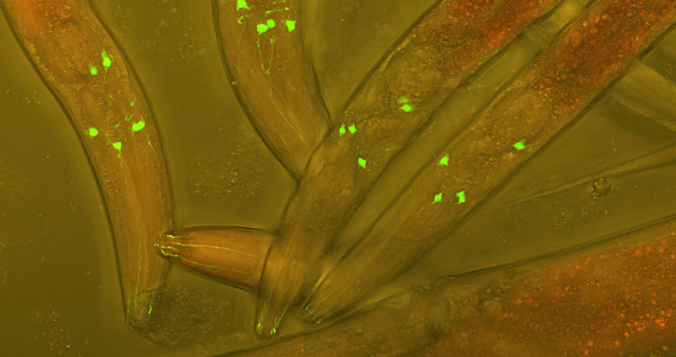
Last night at the National Geographic Society in Washington, I gave a talk with photographer Anand Varma about how parasites manipulate their hosts–the subject of my cover story in the November issue of National Geographicand Varma’s aesthetic obsession for the past couple years. Along with his gorgeous photos, Varma also showed off some lovely/creepy videos. I thought I’d share a couple of them with you. Pop them into full screen for full appreciation.

Continue reading “For Your Halloween Viewing Pleasure: Two Mindsucker Movies”

The New York Times, October 30, 2014

Link

About 50,000 years ago, humans from Africa first set foot in Europe. They hunted woolly mammoths and other big game — sometimes to extinction. Eventually, they began grazing livestock and raising crops.

They chopped down forests and drained swamps, turning villages into towns, then cities and capitals of empires. But even as they altered the Continent, Europeans changed, too.

Their skin and hair grew lighter. They gained genetic traits particular to the regions in which they lived: Northern Europeans, for example, grew taller than Southern Europeans.

Continue reading “From Ancient DNA, a Clearer Picture of Europeans Today”