The Wall Street Journal, April 23, 2011

Link

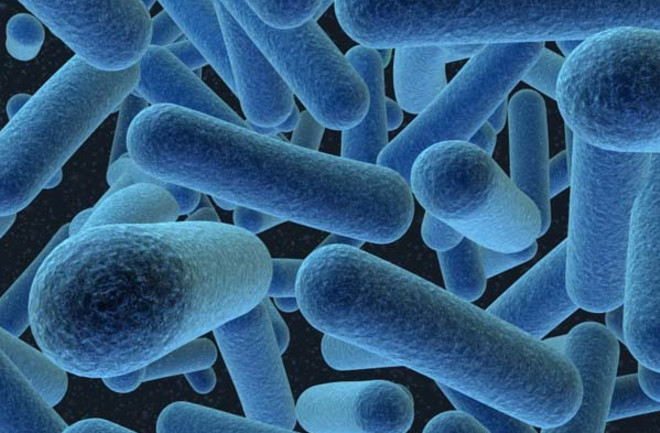
The bottom of a mine shaft doesn’t seem like the sort of place a naturalist should go to look for life. But scientists have found thriving communities of microbes living as deep as two miles underground. These organisms can’t rely on sunlight for their energy, so they survive instead on the radioactivity of the rocks in which they dwell. They exist in a world separate from our own, an ecological Hades.

As Marc Kaufman explains in “First Contact,” these microbes are important for two reasons: They show the extremes to which life on Earth can go, and they can help us imagine what life might look like on other worlds.
Continue reading “Is There Anybody Out There?”

The Wall Street Journal recently asked me to review a new book called First Contact: Scientific Breakthroughs in the Hunt for Life Beyond Earth. Astrobiology is a tricky subject to write about these days. It’s intensely exciting, despite the fact that its main object of study–life on other planets–has yet to be discovered.

I’ve given some thought to how we journalists should cover such a paradoxical science. We shouldn’t dismiss it outright, because astrobiologists have discovered fascinating things about life here on Earth, even if they have yet to find aliens. Yet we shouldn’t feel obligated to pump up every claim about the possibility of life elsewhere. We should be content to paint a portrait of the scientific process–including the intense debates–in all its gorey detail.

Continue reading “Arsenic life and all that: My new book review for the Wall Street Journal”

For some time now I’ve been bewitched by the microbiome–those 100 trillion passengers that make our bodies their vessel (here’s a piece from the New York Times last year, and a long essay from last month). But I was especially intrigued by a paper that came out today in Nature. Scientists found they could sort people into just three distinct gut microbiomes, much like they can sort people into four blood types. Here’s mystory in the Times, which will appear in tomorrow’s edition.

Continue reading “Blood type, meet bug type: my new story for the New York Times”

The New York Times, April 20, 2011

Link

In the early 1900s, scientists discovered that each person belonged to one of four blood types. Now they have discovered a new way to classify humanity: by bacteria. Each human being is host to thousands of different species of microbes. Yet a group of scientists now report just three distinct ecosystems in the guts of people they have studied.

Blood type, meet bug type.

“It’s an important advance,” said Rob Knight, a biologist at the University of Colorado, who was not involved in the research. “It’s the first indication that human gut ecosystems may fall into distinct types.”

Continue reading “Bacterial Ecosystems Divide People Into 3 Groups, Scientists Say”