This post was originally published in “Download the Universe,” a multi-author blog about science ebooks edited by Carl Zimmer.
The Case of the Missing Moon Rocks. By Joe Kloc. Published by The Atavist, 2012.
Reviewed by Tom Levenson
March 31, 2012
This post was originally published in “Download the Universe,” a multi-author blog about science ebooks edited by Carl Zimmer.
The Case of the Missing Moon Rocks. By Joe Kloc. Published by The Atavist, 2012.
Reviewed by Tom Levenson
March 31, 2012
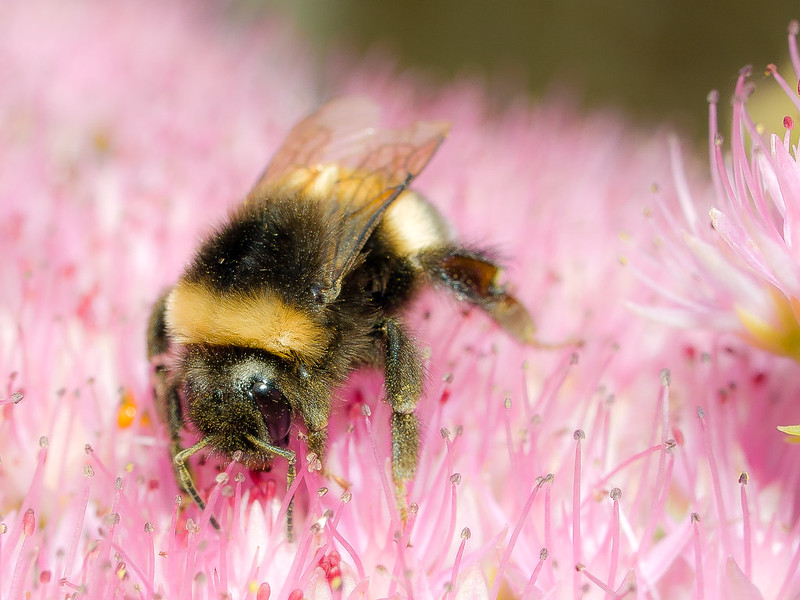
Earlier this week, my editor at the New York Times asked if I’d write a story about a pair of new papers in Science detailing experiments on how insecticides affect bees. Bees have been in decline in many places, and scientists have been trying to figure out the cause–or causes–of their fall. These two new experiments represent a new wave of more realistic tests, taking place on farms instead of in labs. They’re also important because they were designed to look at what happens when bees are exposed to more realistic, sublethal doses. My story appears in today’s issue.
Continue reading “Declining Bees and Toxic Insecticides: Sources for A Complex Story”
The New York Times, March 29, 2012
Scientists have been alarmed and puzzled by declines in bee populations in the United States and other parts of the world. They have suspected that pesticides are playing a part, but to date their experiments have yielded conflicting, ambiguous results.
In Thursday’s issue of the journal Science, two teams of researchers published studies suggesting that low levels of a common pesticide can have significant effects on bee colonies. One experiment, conducted by French researchers, indicates that the chemicals fog honeybee brains, making it harder for them to find their way home. The other study, by scientists in Britain, suggests that they keep bumblebees from supplying their hives with enough food to produce new queens.
Continue reading “2 Studies Point to Common Pesticide as a Culprit in Declining Bee Colonies”
This post was originally published in “Download the Universe,” a multi-author blog about science ebooks edited by Carl Zimmer.
A Small Dose of Toxicology, 2nd edition. By Steven G. Gilbert. Published in 2011.
Reviewed by Deborah Blum
March 29, 2012
Continue reading “Steven Gilbert Really, Really Wants You to Know About Poison”
This post was originally published in “Download the Universe,” a multi-author blog about science ebooks edited by Carl Zimmer.
I Heard the Sirens Scream: How Americans Responded to the 9/11 and Anthrax Attacks. By Laurie Garrett. Published in 2011.
Reviewed by Maia Szalavitz
March 26, 2012
Continue reading “I Heard the Sirens Scream: Laurie Garrett Takes on 9/11 & Anthrax”