In caves around the world, animals and other creatures have adapted to endless night. Cavefish, for example, have lost their eyes and pigment, evolving a greater power in other senses.

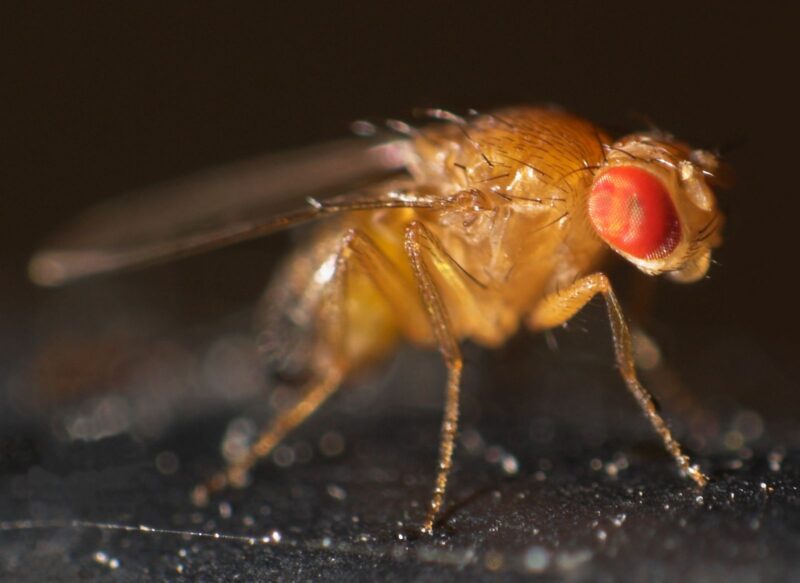
In 1954, Syuichi Mori, a biologist at Kyoto University, put flies into a cave of their own. He took eggs from ordinary flies of the species Drosophila melanogaster put them in milk bottles, which he placed in pots and covered in dark cloth. There they lived in utter darkness. He tended to the flies, generation after generation, dividing them into three separate lines. Meanwhile, he reared three lines of flies in normal light for comparison.

Continue reading “Fifty-seven Years of Darkness”

One thing that’s fascinated me about the ongoing debate about the manipulated bird flu (check out my pieces for Slate, the Loom, and the Times for background) is that it comes down, in large part, to information. Should the scientists who turned bird flu into a mammal-to-mammal virus make the details of their experiments public?

The debate has also touched on the concern that the viruses themselves might escape their labs. And yet the physical viruses have remained mostly in the background. If the information alone manages to get out, that might be enough for virologists to recreate the viruses. In fact, at a recent meeting about the flu in DC, a lot of the discussion about the security of these virus strains centered on the hard drives where the data is now stored.

Continue reading “Bird Flu: Any Information to Declare?”