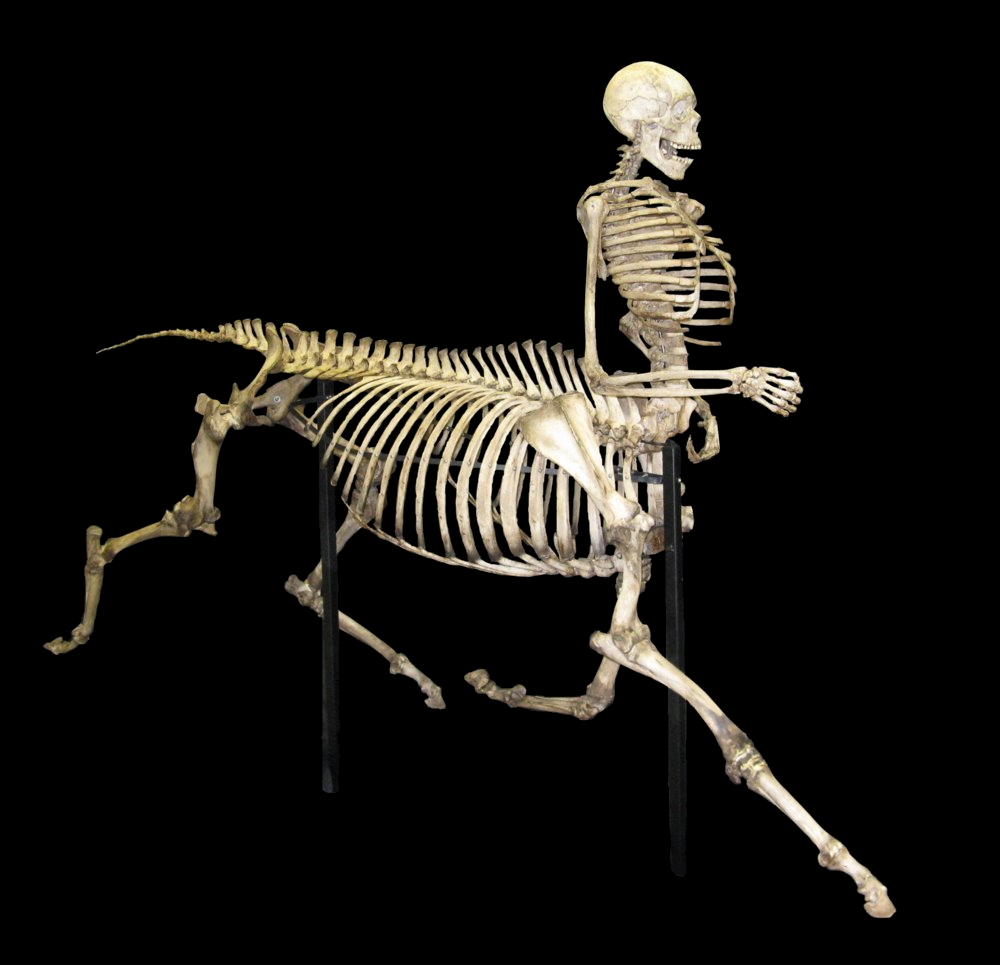
[Note: This post ended being the first of a series of four.
Part Two: The Mystery of the Missing Chromosomes, Continued: An Update From Your Preening Blogger
Part Three: Four Days of Fusion Chromosome Freak-Out
[Note: This post ended being the first of a series of four.
Part Two: The Mystery of the Missing Chromosomes, Continued: An Update From Your Preening Blogger
Part Three: Four Days of Fusion Chromosome Freak-Out
Last month I gave the keynote lecture at the annual meeting of the Society for the Preservation of Natural History Collections. The society has just posted it on Youtube. I’ve cued it up below to the start of my talk, which came after some welcoming speeches at the start of the conference. In the spring, when the society asked me for a title for my talk, I called it “From Page to Pixel,” since it would be about the changes in science communication over the past decade. But then Chuck Norris came into my life, and things changed accordingly, as you’ll see…
Originally published July 12, 2012. Copyright 2012 Carl Zimmer.
I’m going to be a guest during the second hour of Science Friday on National Public Radio tomorrow. Host Ira Flatow and I will be discussing the latest twist in the ever-intriguing arsenic life saga, and, more broadly, the rough-and-tumble way in which science corrects itself. If you miss the live show, you can listen to it here.
Originally published July 12, 2012. Copyright 2012 Carl Zimmer.
Tomorrow I’m flying to Iowa City for a couple talks. It’s my first time to the city and the state, so I’m looking forward to it. I hope some Iowa-based Loominaries can catch me at the following events:
Friday, July 13, 9 am, Medical Alumni Auditorium, University of Iowa: “Infecting Minds: Science Communication With New Media.” Sponsored by the Divisions of General Internal Medicine & Infectious Disease in the Carver College of Medicine and Department of Epidemiology in the College of Public Health. Details here.
Saturday, July 14, 1 pm, Macbride Hall, University of Iowa: “A Planet of Viruses.” I’ll be speaking as part of the Iowa City Book Festival. Details here.
Originally published July 11, 2012. Copyright 2012 Carl Zimmer.
This post was originally published in “Download the Universe,” a multi-author blog about science ebooks edited by Carl Zimmer.
Indivisible Earth: Consequences of Earth’s Early Formation as a Jupiter-Like Gas Giant. By J. Marvin Herndon. Published by Thinker Media.
Reviewed by John Timmer
July 9, 2012
Continue reading “eBooks and the democratization of crackpottery”