STAT, December 3, 2015

Link

BOSTON — Slava Epstein works in aggressively low-tech quarters at Northeastern University. You might expect otherwise, given the extraordinary work that he and his colleagues are doing, discovering new kinds of antibiotics that are fundamentally different than the ones doctors prescribe today.

And yet, when I paid Epstein a visit recently, we sat down amid a veritable landfill of scientific reprints, old Starbucks cups, and empty bottles of Vitamin Water.

“I apologize for the awful, awful mess,” he said in a light Russian accent.

Continue reading “A radically simple idea may open the door to a new world of antibiotics”

Greetings–

Happy Thanksgiving! In honor of the turkey fest, here’s a breifer-than-usual Friday’s Elk this week.

Europe Evolving

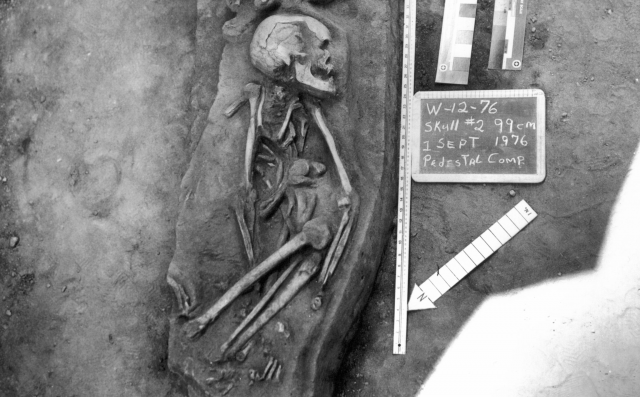
–This week in the New York Times, I reported about a study of 230 genomes retrieved from European skeletons ranging from 8,500 to 2,300 years in age. They create a chronicle of human evolution, documenting how the agricultural revolution altered the genetic landscape of a continent. Check it out. Continue reading “Friday’s Elk, November 27, 2015”

The New York Times, November 23, 2015

Link

The agricultural revolution was one of the most profound events in human history, leading to the rise of modern civilization. Now, in the first study of its kind, an international team of scientists has found that after agriculture arrived in Europe 8,500 years ago, people’s DNA underwent widespread changes, altering their height, digestion, immune system and skin color.

Researchers had found indirect clues of some of these alterations by studying the genomes of living Europeans. But the new study, they said, makes it possible to see the changes as they occurred over thousands of years.

Continue reading “Agriculture Linked to DNA Changes in Ancient Europe”

Greetings–

Here’s the week that was…

Denisovans and Other Mysterious Humans

–Ancient DNA continues to illuminate our family tree. In 2010, I wrote about mysterious ancient relatives of Neanderthals called Denisovans, which scientists only knew from a tooth, a fingerbone, and the 50,000-year-old DNA they contained. Now scientists have found some new Denisovan DNA in a tooth, and the broadening picture we’re getting is fascinating. Yet in some ways, the enigma of the Denisovans is only getting deeper. I wrote about the mystery in The New York Times this week. Continue reading “Friday’s Elk, November 20, 2015”

The New York Times, November 16, 2015

Link

A tooth fossil discovered in a Siberian cave has yielded DNA from a vanished branch of the human tree, mysterious cousins called the Denisovans, scientists said Monday.

Their analysis pushes back the oldest known evidence for Denisovans by 60,000 years, suggesting that the species was able to thrive in harsh climates for thousands of generations. The results also suggest that the Denisovans may have bred with other ancient hominins, relatives of modern humans whom science has yet to discover.

Todd Disotell, a molecular anthropologist at New York University who was not involved in the new study, said the report added to growing evidence that our species kept company with many near relatives over the past million years.

Continue reading “In a Tooth, DNA From Some Very Old Cousins, the Denisovans”