The New York Times, February 8, 2016

Link

The Zika virus has quickly gained Ebola-level notoriety as it has spread through the Western Hemisphere in recent months. Researchers in Brazil, where it was first detected in May, have linked infections in pregnant women to a condition known as microcephaly: infants born with undersize heads.

Where birth defects are concerned, however, the Zika virus is far from unique. A number of other viruses, such as rubella and cytomegalovirus, pose a serious risk during pregnancy. Researchers have uncovered some important clues about how those pathogens injure fetuses — findings that are now helping to guide research into the potential link between Zika and microcephaly.

Continue reading “Scientists Investigate How Viruses Like Zika Cause Birth Defects”
Greetings–

Happy February! I hope that you, unlike me, aren’t greeting the new month with a rather unpleasant, unexpected snowstorm. If you need a little distraction between the roof-raking and snow-shoveling, here are a couple items:
 

An Ancient Genome And A Skipped Bit of Software

Last October, I wrote a column for the New York Times about the first ancient human genome recovered from Africa. Last week, however, I discovered that the scientists had made a small oversight in their analysis that led to a big problem in their conclusions. Continue reading “Friday’s Elk, February 5, 2016”

The New York Times, February 4, 2016

Link

When scientists first started to figure out how to extract DNA from ancient skeletons, their success was met with astonishment. One minute, scientists were fishing Richard III’s genes from his royal bones, and the next they were showing off DNA retrieved from 500-year-old Incan mummies.

The idea that DNA could survive for thousands of years — let alone be reassembled into an entire genome — seemed little short of miraculous.

Despite the field’s rapid advances in recent years, though, ancient DNA is still hard to find and hard to make sense of. Potential errors lurk around every corner. Even little oversights can cause big headaches.

Continue reading “DNA Study of First Ancient African Genome Flawed, Researchers Report”

The New York Times, January 29, 2016

Link

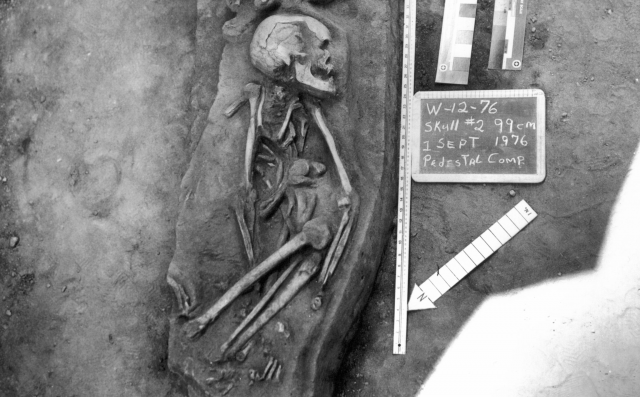
The San Diego Archaeology Center holds a pair of extraordinary skeletons. Dating back about 9,500 years, they are among the oldest human remains ever found in the Americas.

A number of scientists would love to study the bones, using powerful new techniques to extract any surviving DNA.

“These skeletons of such antiquity are so important for helping us understand what happened in the past in North America,” said Brian Kemp, a molecular anthropologist at Washington State University.

Continue reading “Tribes’ Win in Fight for La Jolla Bones Clouds Hopes for DNA Studies”