A Visit to An Ancient DNA Lab
Many of the remarkable studies about human history I’ve been reporting on in recent years have come from the Harvard laboratory of David Reich. Recently I took a trip to Boston to see how Reich’s team rescues DNA from bones dating back thousands of years, and how they then use those genetic fragments to reconstruct the movements of people across the planet. Here’s my profile of Reich, in Tuesday’s New York Times. I was delighted that the Times’s graphics wizard Jonathan Corum created a map for the story, adapted from Reich’s new book, Who We Are and How We Got That Way.
A “DNA Autopsy” of a Mysterious Mummy
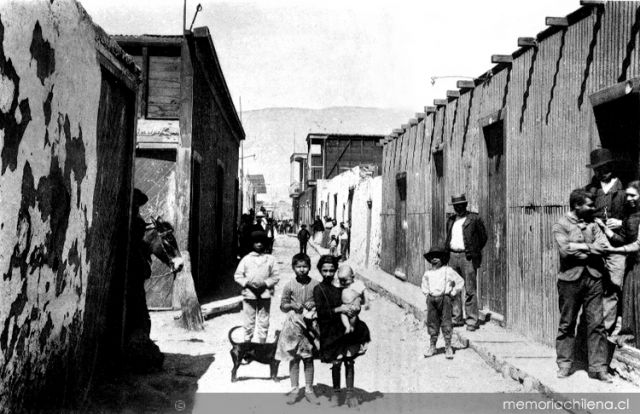
Some UFO fans make a great deal out of a miniature mummy discovered in the early 2000s in a ghost town in Chile. A team of Stanford scientists got hold of some of its tissue and have reconstructed its genome. Proving it was human was just the start of their research; they’ve found mutations that could account for its ET-like anatomy. Here’s my column on what one expert is calling a “DNA autopsy.”
Book News: A Star from Kirkus and an Interview about Heredity
Kirkus Reviews published a starred review of She Has Her Mother’s Laugh on Monday: “A thoroughly enchanting tour of big questions, oddball ideas, and dazzling accomplishments of researchers searching to explain, manipulate, and alter inheritance.” You can read the full review here.
Meanwhile, Publisher’s Weekly asked me some questions–
What was the most surprising thing you learned while working on this book?
I was surprised by how so many animals have to inherit bacteria from their ancestors in order to survive. Cockroaches, for example, carry bacteria that have to infect their eggs so that the next generation can use them to survive. It’s a parallel kind of heredity happening all around us—and maybe even inside us, too.
You can read the full interview here.
My latest book, She Has Her Mother’s Laugh: The Power, Perversions, and Potential of Heredity, comes out in May. You can pre-order it here. You can find information and ordering links for my other books here. You can also follow me on Twitter, Facebook, Goodreads. LinkedIn, and Google+. If someone forwarded this email to you, you can subscribe to it here.
Best wishes, Carl
Originally published March 22, 2018. Copyright 2018 Carl Zimmer.