Many hospitals and medical practices are shifting from paper to computers, as they convert to electronic medical records. While the technology has been touted mainly as a way to cut costs and improve medical care, it turns out it has an unexpected side benefit: scientists can probe electronic medical records to find hidden connections between genes and diseases. This week in my “Matter” column for the New York Times, I look at this new tool for exploring to our DNA.

Continue reading “Genetic Secrets in Our Medical Records: My New Column for the New York Times”
There was a time when the Laysan albatross might seem a perfect icon for the virtues of marriage. When naturalists visited the bird’s nesting grounds in the Pacific, they’d find males and females bonded in pairs for life. Each breeding season the pairs of birds would nuzzle their heads together and perform other adorable courtship rituals. After they mated, the female would lay an egg. Both the male and female would take turns sitting on the nest to incubate it, taking three week shifts. After the chick hatched they’d rear it together until the end of the breeding season. The birds would then fly out to sea in different directions, but they’d return the following year and start up their partnerships all over again. The albatrosses would repeat this behavior for life–which, in their case, can last for many decades.

Continue reading “Same-Sex Mothers: Letting Albatrosses Be Albatrosses”

A few weeks ago I went to my local drug story a got a flu vaccine. So far <knock on lab bench> I’ve had a pretty healthy flu season. But there’s a fair chance I may get the flu anyway this winter, because flu vaccine effectiveness is modest compared to vaccines for many other diseases. What’s more, I’ll need to head back next year to the store to get another shot. That’s because flu vaccines today are still based in some fundamental ways–in their production in chicken eggs and in the molecules they target on viruses–on World War II-era science.

I’ve written an article for the December issue of the Atlantican article for the December issue of the Atlantic about how we got into this strange situation, and how scientists are trying to bring our fight against flu into the twenty-first century. Check it out.

Continue reading “The Future of Fighting the Flu: My Feature in The Atlantic”

PHOTO BY ED UTHMAN VIA CREATIVE COMMONS

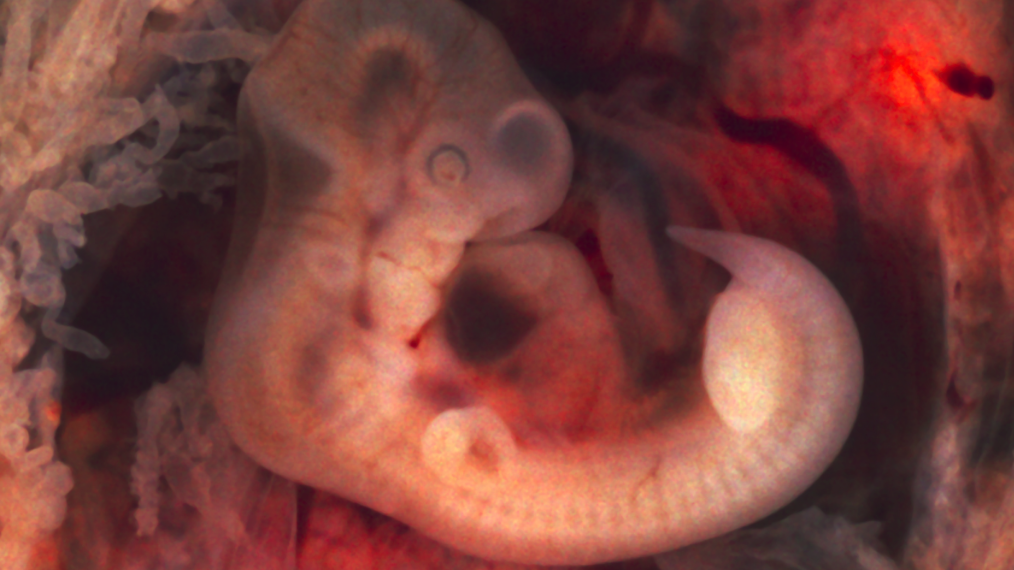
One of the hallmarks of aging is a process called senescence. Cells stop dividing and release a distinctive blend of chemicals that cause inflammation and other effects. It’s thus a big surprise that scientists have now found senescent cells in embryos. For my new column for the New York Times, I take a look at this remarkable similarity between old and new–and how it changes our understanding of how we developed from an egg. Check it out. 

Continue reading “Old Age In the Embryo: My New Matter Column for the New York Times”

TABLE MOUNTAIN. BY WARRENSKI VIA CREATIVE COMMONS

One of the things I like about a long-running blog is that I can revisit long-running stories whenever I feel like it. And one of the longest of those stories has been unfolding in a lab at Michigan State University since 1988. That year, a biologist named Richard Lenski began rearing Escherichia coli from a single microbe. The bacteria, which he raised in a dozen separate flasks, all faced the same challenge: endure a starvation diet that their lab-pampered ancestors had not suffered.

Continue reading “A Long Way Left Up Darwin’s Mountain”