On March 20, I delivered a keynote talk at the Joint Genome Institute annual meeting. I talked about my experience of reporting on genomes over the past two decades–from my initial awe at the very first sequenced genomes to weary fatigue as thousands of genomes were published, and to a recognition of what the real news is about genomes today. Here’s the video.

Originally published April 3, 2012. Copyright 2012 Carl Zimmer.
Tomorrow (April 2) Robert Krulwich of Radiolab and I will be at Columbia University to moderate a debate about the future of neuroscience. Entitled, “Does the brain’s wiring make us who we are?” it will bring together Sebastian Seung of MIT and Anthony Movshon of NYU.

The auditorium filled up less than two hours after the tickets were made available online a few weeks ago, and a hefty waiting list quickly took shape. Fortunately, the organizers have made it possible for more people to watch the neurological fireworks. If you’d like to see a live simulcast, you can sign up for a free seat in nearby Pupin Hall 301. Here’s the Eventbrite page where you can grab yours.

Continue reading “Tomorrow’s brain debate: simulcast and livestream update #brainbrawl”

Brian Switek writes,

I have an Allosaurus on my arm. Heart of Gold Tattoo artist Jon McAffee put it there a few weeks ago. I think the tattoo—designed for me by friend and artist Glendon Mellow—came out beautifully. Contorted into the classic dinosaur death pose, the Jurassic apex predator is an expression of my passions and aspirations.

Continue reading “The Mysteries of the Dinosaur Tattoo”

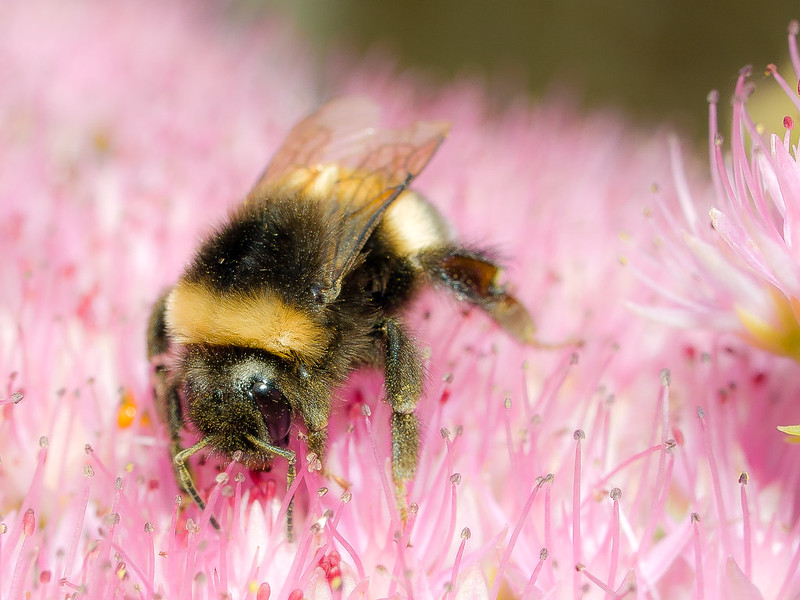
Earlier this week, my editor at the New York Times asked if I’d write a story about a pair of new papers in Science detailing experiments on how insecticides affect bees. Bees have been in decline in many places, and scientists have been trying to figure out the cause–or causes–of their fall. These two new experiments represent a new wave of more realistic tests, taking place on farms instead of in labs. They’re also important because they were designed to look at what happens when bees are exposed to more realistic, sublethal doses. My story appears in today’s issue.

Continue reading “Declining Bees and Toxic Insecticides: Sources for A Complex Story”

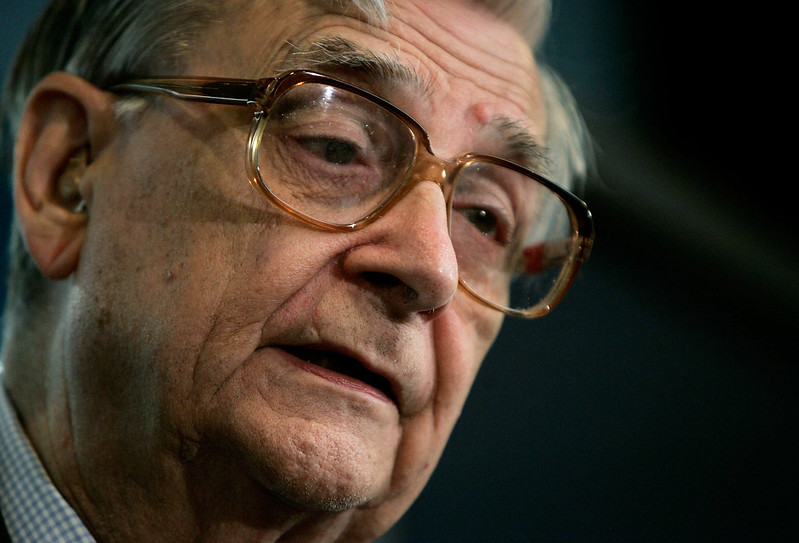
Smithsonian recently asked me to interview Harvard biologist E.O. Wilson about his new book, The Social Conquest of Earth. You can read the Q & A on their web site.

Wilson and I spoke for quite a while, covering wide range of subjects. One particularly interest part of the talk addressed his ongoing attack on a major aspect of modern evolutionary theory, known as inclusive fitness. I reported on his attacks–and the response of his critics–in the New York Times in 2010.

Continue reading “A Smithsonian Q & A with E. O. Wilson: complete with outtakes”