This month has seen a flood of new studies and reviews on the microbiome, the collection of creatures that call our bodies home. In tomorrow’s New York Times, I look at why scientists are going to so much effort to map out these 100 trillion microbes.

The microbiome is not just an opportunistic film of bugs: it’s an organ that play an important part in our well-being. It starts to form as we’re born, develops as we nurse, and comes to maturity like other parts of the body. It stabilizes our immune system, keeps our skin intact, synthesizes vitamins, and serves many other functions. Yet the microbiome is an organ made up of thousands of species–an ecosystem, really. And so a number of scientists are calling for a more ecological view of our health, rather than simply trying to wage warfare against infections.

Check it out.

Originally published June 18, 2012. Copyright 2012 Carl Zimmer.
A new book is out, called Zoobiquity: What Animals Can Teach Us About Health and the Science of Healing, coauthored by cardiologist Barbara Natterson-Horowitz and science writer Kathryn Bowers. They take a look at the surprising parallels between animal and human health. The Daily Beast asked me to review it, and you can read my piece here.

The facts that animals and humans share an evolutionary heritage, and that we can gain medical insights through a comparison between species, are not new. And Zoobiquity contains some misconceptions about how evolution works and how to analyze it. Nevertheless, I think the book well-worth reading. I learned a lot from it about things ranging from cancerous rhino horns to anorexic pigs.

Check out my review here. (You can also read a fairly long excerpt from the book in the New York Times here.)

Originally published June 17, 2012. Copyright 2012 Carl Zimmer.

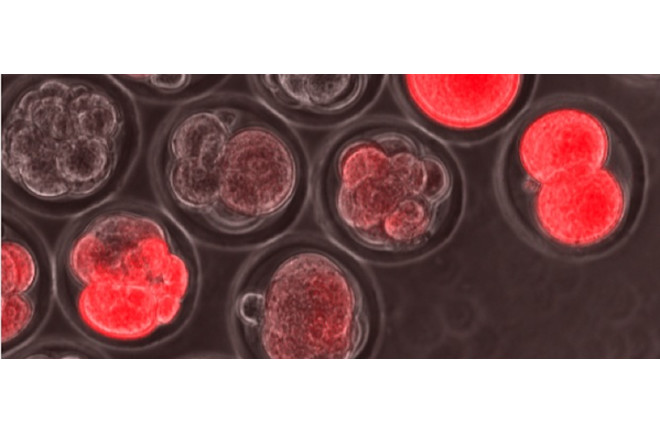
We all started out as a fertilized egg: a solitary cell about as wide as a shaft of hair. That primordial sphere produced the ten trillion cells that make up each of our bodies. We are not merely sacs of identical cells, of course. A couple hundred types of cells arise as we develop. We’re encased in skin, inside of which bone cells form a skeleton; inside the skull are neurons woven into a brain.

What made this alchemy possible? The answer, in part, is viruses.

Continue reading “We Are Viral From the Beginning”

I had the pleasure of kicking off the annual meeting of the Society for the Preservation of Natural History Collections with a keynote lecture on the impact of the Internet on science writing and museums. One audience member asked if she could see the slides again to follow some of the links. So here they are, courtesy of SlideShare.

From Page to Pixel (or What Chuck Norris and Tapeworms Taught Me About the Future of Journalism and Science)

View more

presentations

from

cwzimmer


Originally published June 13, 2012. Copyright 2012 Carl Zimmer.