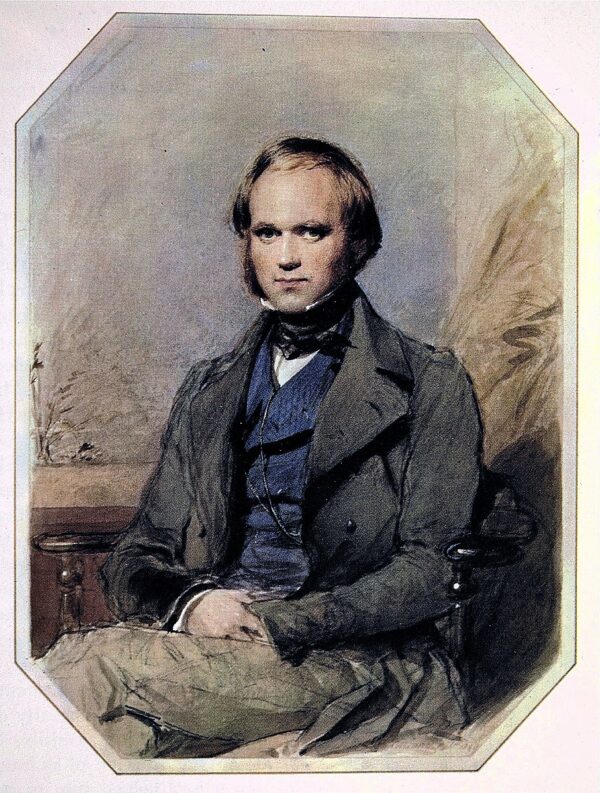
Charles Darwin was a DIY biologist. He was not a professor at a university; he was not a researcher at a government lab. As a young gentleman, he had the right connections to tag along on the voyage of HMS Beagle as an unofficial, unpaid naturalist. Once he came home, he spent most of his time at his country estate, where he ran decades of experiments on orchids and rabbits. He played a bassoon to earthworms to see if they sense low noises. He made painstaking observations on other species. He spent years peering through his personal microscope at barnacles. He spent afternoon following ants around his lawn. To add to his personal discoveries, he wrote to a global network of friends and acquaintances for every scrap of information he could find that seemed relevant to his theory. While Darwin took advantage of every tool a Victorian naturalist of means could get his hands on, they were quite simple compared to the equipment evolutionary biologists use today. No DNA sequencers or satellite databases for him.