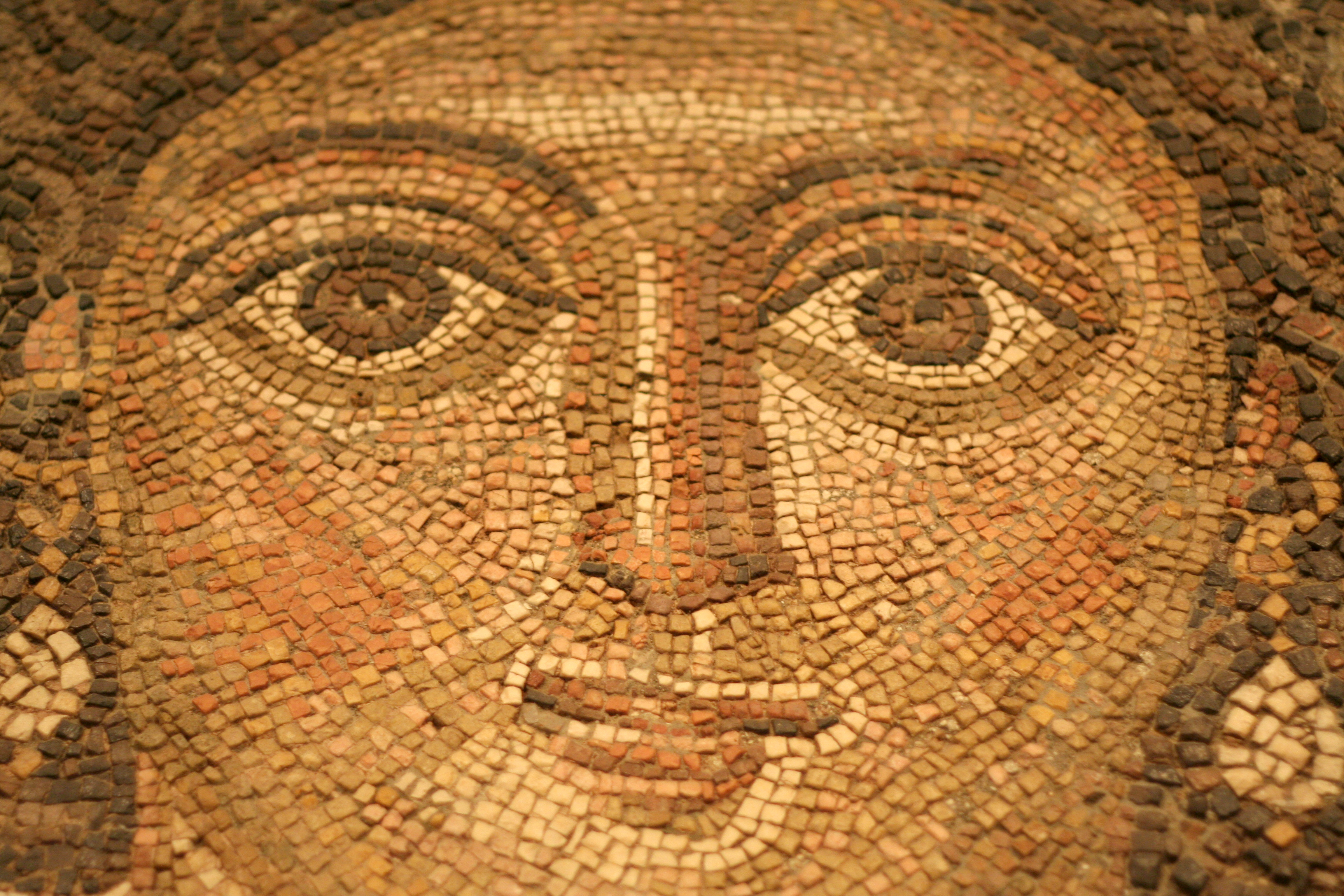
PHOTO BY MILTON CORREA VIA CREATIVE COMMONS

In a mosaic portrait, many tiles, each a little different from the other, add up to an entire person. Genetically speaking, we can be living mosaics, too. As our cells divide, they sometimes mutate, creating distinct populations within us. Many of us carry the genomes of other people inside our bodies.

Scientists have known about these phenomena for a long time, but it was hard to know whether they were more than odd flukes. Now that scientists can sequence genomes from individual cells, they can now start to get at an answer. They are more widespread than was previously thought. The growing significance of chimeras and mosaicist has implications for our sense of genetic identity, as well as for treating diseases. Our many personal genomes are the subject of a feature I’ve written for today’s New York Times. Check it out.

Continue reading “Chimeras and Mosaics: My New York Times Feature on Our Personal Genome*s*”

The New York Times, September 16, 2013

Link

From biology class to “C.S.I.,” we are told again and again that our genome is at the heart of our identity. Read the sequences in the chromosomes of a single cell, and learn everything about a person’s genetic information — or, as 23andme, a prominent genetic testing company, says on its Web site, “The more you know about your DNA, the more you know about yourself.”

But scientists are discovering that — to a surprising degree — we contain genetic multitudes. Not long ago, researchers had thought it was rare for the cells in a single healthy person to differ genetically in a significant way.

Continue reading “DNA Double Take”

The New York Times, September 12, 2013

Link

“We’re All Martians, Scientist Claims,” The Telegraph wrote on Aug. 28. Similar articles showed up in newspapers and on Web sites around the world.

The scientist who inspired all the headlines is a chemist named Steven Benner. Headlines notwithstanding, Dr. Benner is not a wild-eyed U.F.O. advocate claiming to have seen Little Green Men. Instead, he is one of the world’s leading experts on the origin of life.

“Steve is one of the master organic chemists tackling this problem,” said Robert M. Hazen, a mineralogist at the Carnegie Institution and the author of “The Story of Earth.”

Continue reading “A Far-Flung Possibility for the Origin of Life”

The New York Times, September 5, 2013

Link

Viruses have a knack for ambush. Time and again, they have struck our species without warning, producing new diseases. H.I.V. burst on the scene in the early 1980s, and it took years for scientists to figure out that it had evolved from a chimpanzee virus in the early 1900s. In 2003, a previously unknown bat virus in China began to cause SARS in humans. Today we are in the midst of yet another ambush, as a new virus called MERS is infecting people, mostly in in Saudi Arabia. Scientists have yet to definitively pin down its origin, although preliminary evidence points to another species of bat.

Continue reading “A Catalog for All the World’s Viruses?”

The New York Times, August 29, 2013

Link

We are each home to about 100 trillion bacteria, which we carry with us from birth till death. But when Juliette C. Madan was trained as a neonatologist in the mid-2000s, her teachers told her in no uncertain terms that we only acquire those bacteria after we are born. “It was clear as day, we were told, that fetuses were sterile,” she said.

Dr. Madan is now an assistant professor of pediatrics at the Geisel School of Medicine at Dartmouth, and she’s come to a decidedly different view on the matter. “I think that the tenet that healthy fetuses are sterile is insane,” she said.

Continue reading “Human Microbiome May Be Seeded Before Birth”