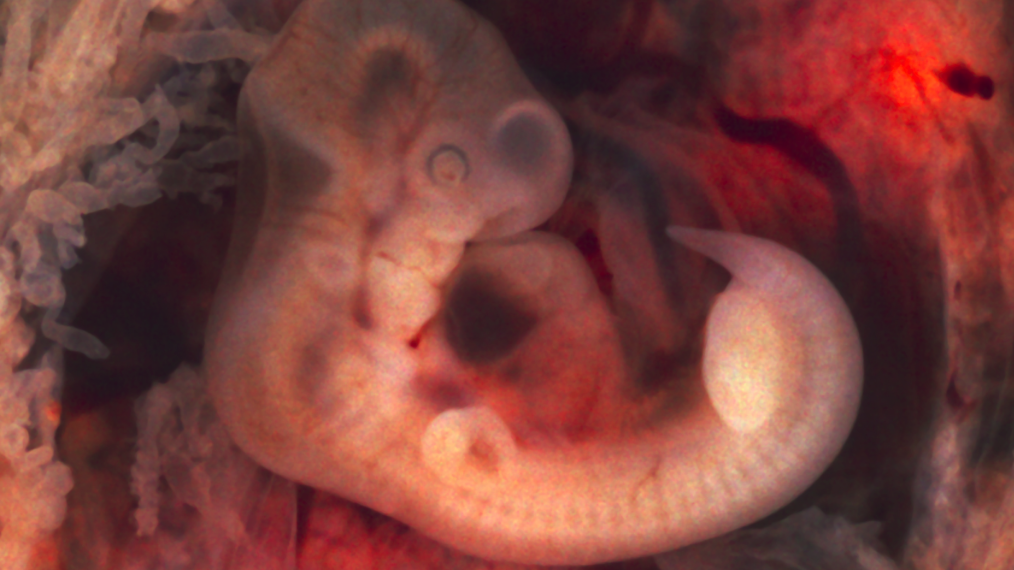
PHOTO BY ED UTHMAN VIA CREATIVE COMMONS

One of the hallmarks of aging is a process called senescence. Cells stop dividing and release a distinctive blend of chemicals that cause inflammation and other effects. It’s thus a big surprise that scientists have now found senescent cells in embryos. For my new column for the New York Times, I take a look at this remarkable similarity between old and new–and how it changes our understanding of how we developed from an egg. Check it out. 

Continue reading “Old Age In the Embryo: My New Matter Column for the New York Times”
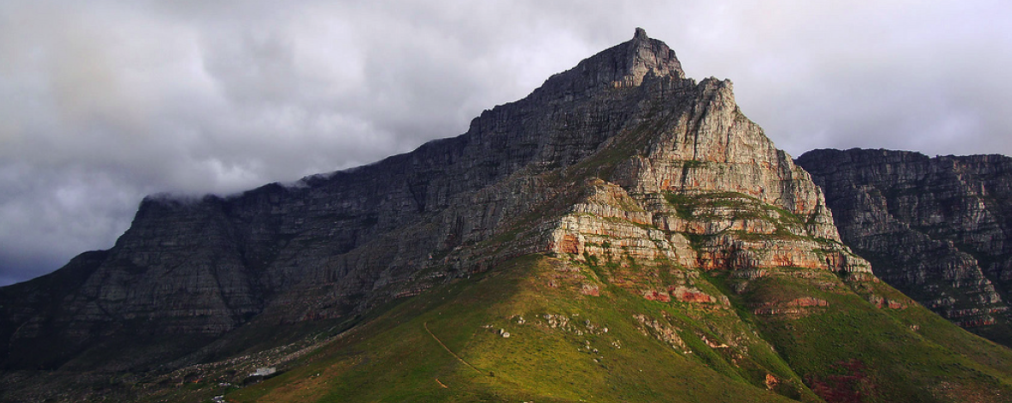
TABLE MOUNTAIN. BY WARRENSKI VIA CREATIVE COMMONS

One of the things I like about a long-running blog is that I can revisit long-running stories whenever I feel like it. And one of the longest of those stories has been unfolding in a lab at Michigan State University since 1988. That year, a biologist named Richard Lenski began rearing Escherichia coli from a single microbe. The bacteria, which he raised in a dozen separate flasks, all faced the same challenge: endure a starvation diet that their lab-pampered ancestors had not suffered.

Continue reading “A Long Way Left Up Darwin’s Mountain”

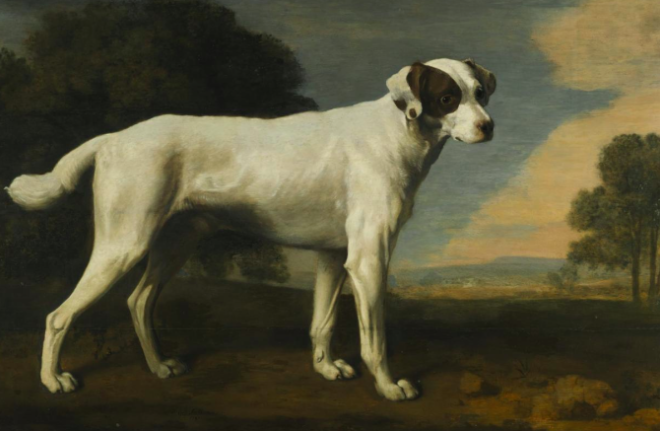
VISCOUNT GORMANSTON’S WHITE DOG. BY GEORGE STUBBS

I suspect I will be writing about the science of dogs as long as I’m writing about science at all. These creatures, despite being so familiar, have so much left to reveal. For my new “Matter” column at The New York Times, I look at the latest research on the origin of dogs, based on new analysis of DNA from ancient dog (or wolf?) fossils. For now, there’s a battle over where dogs first called home. Check it out.

Continue reading “Where Dogs Are From: My New Column for the New York Times”

The New York Times, November 7, 2013

Link

In 1799 the great naturalist Alexander von Humboldt and his companions set out from Caracas, Venezuela, to climb the Andes. They struggled up a mountainside enveloped in mist so thick they had to clamber over rocks by hand. When the fog cleared, von Humboldt was left astonished by the view. Vast grasslands stretched all around him, home to an astonishing number of different trees, shrubs and flowers.

“Nowhere, perhaps, can be found collected together, in so small a space, productions so beautiful and so remarkable in regard to the geography of plants,” he later wrote.

Continue reading “Fast-Paced Evolution in the Andes”