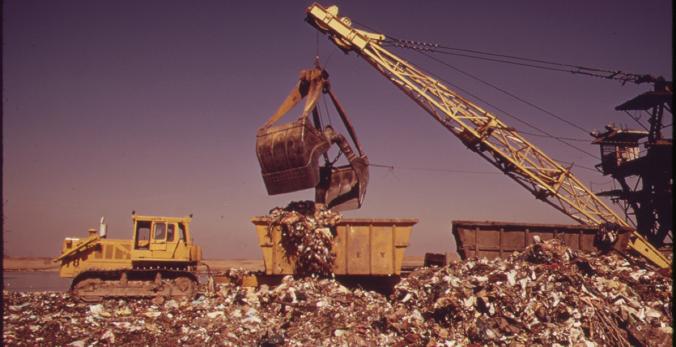
KIT VIA CREATIVE COMMONS


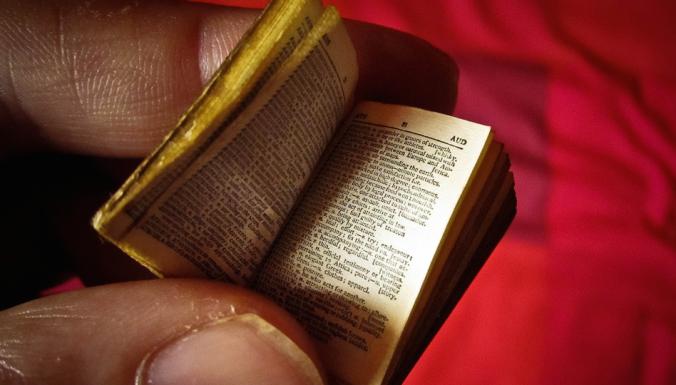
I’ve taught writing semi-regularly over the past few years. Over that time, I’ve come to realize that one of the biggest challenges in learning how to write about the natural world is to learn how to skillfully wield beautiful, plain language . Scientists and scientists-in-training often lard their writing with jargon, rather than looking for a conversational equivalent. This addiction to jargon can leave a piece of writing sterile. It can mystify everyone except the experts–which is a bad strategy if you aspire to write for the public. An addiction to jargon can even create catastrophic misunderstandings. Readers may apply a non-technical definition for a word that a scientist uses with a very technical meaning in mind. (Think of “theory” as a hunch.)
Continue reading “Introducing Carl’s Banned-Word Scanner”

The New York Times, May 15, 2014

Link

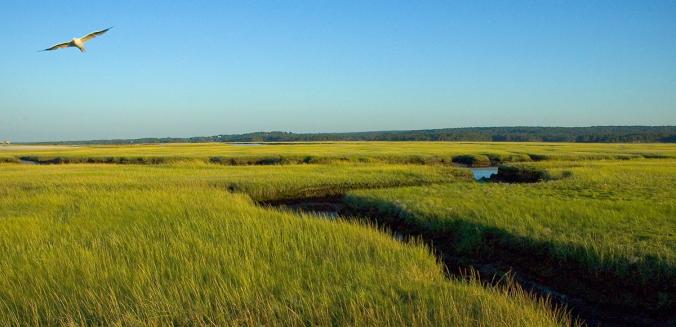
Mark D. Bertness, an ecologist at Brown University, began studying the salt marshes of New England in 1981. Twenty-six years later, in 2007, he started to watch them die. In one marsh after another, lush stretches of cordgrass disappeared, replaced by bare ground. The die-offs were wiping out salt marshes in just a few years.

“It’s unbelievable how quickly it’s moved in,” Dr. Bertness said.

Scientists have been witnessing a similar transformation in a number of plant species along coastlines in the United States and in other countries. And in many cases, it’s been hard to pinpoint the cause of the die-off, with fungal outbreaks, pollution, choking sediments stirred up by boats, and rising sea levels proposed as killers.

Continue reading “When Predators Vanish, So Does the Ecosystem”

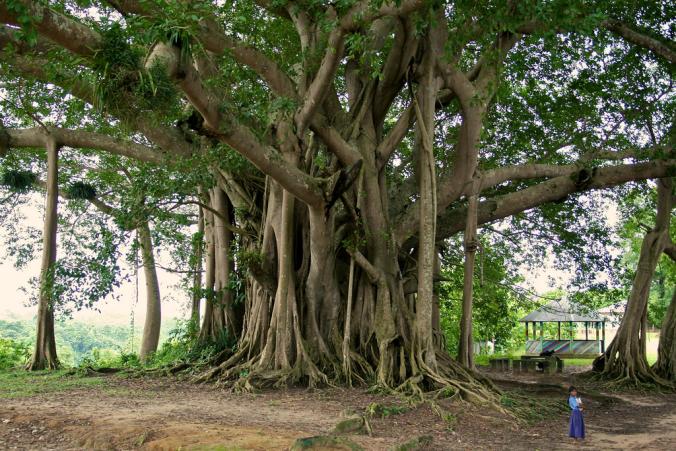
BANYAN TREE, BANGLADESH. PHOTO BY TERRY SUNDERLAND/CIFOR VIA CREATIVE COMMONS


There is a scientific picture waiting to be drawn. Someone has to do artistic justice to the evolutionary tree of life.

Back in 1837, Charles Darwin sketched out a tree of life in a notebook as a way to visualize his idea that different species share a common ancestor. In the generations since he published The Origin of Species, biologists have tried to draw trees that distill the actual relationships between living things.

Continue reading “Seeing The Branches for the Tree”

WIKIPEDIA

Genomes are like books of life. But until recently, their covers were locked. Finally we can now open the books and page through them. But we only have a modest understanding of what we’re actually seeing. We are still not sure how much our genome encodes information that is important to our survival, and how much is just garbled padding.

Today is a good day to dip into the debate over what the genome is made of, thanks to the publication of an interesting commentary from Alex Palazzo and Ryan Gregory in PLOS Genetics. It’s called “The Case for Junk DNA.”

Continue reading “The Case for Junk DNA”