The New York Times, June 5, 2014

Link

After Hurricane Katrina devastated New Orleans, the United States Army Corps of Engineers got to work on a massive network of levees and flood walls to protect against future catastrophes. Finally completed in 2012, the project ended up costing $14.5 billion —and that figure didn’t include the upkeep these defenses will require in years to come, not to mention the cost of someday replacing them altogether.

But levees aren’t the only things that protect coasts from storm damage. Nature offers protection, too. Coastal marshes absorb the wind energy and waves of storms, weakening their impact farther inland. And while it’s expensive to maintain man-made defenses, wetlands rebuild themselves.

Continue reading “Putting a Price Tag on Nature’s Defenses”

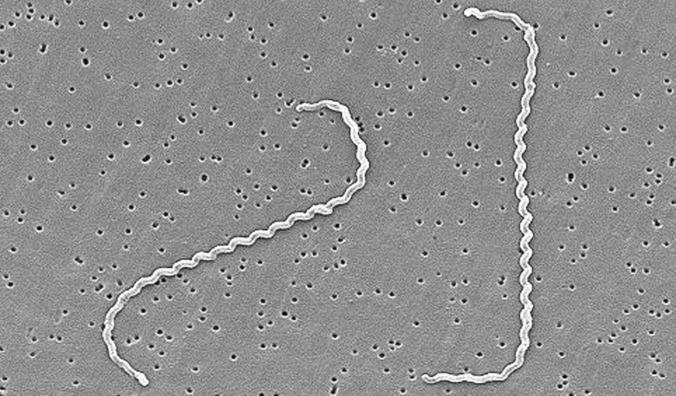
LEPTOSPIRA INTERROGANS (IMAGE: CDC/NCID/HIP/JANICE CARR)

In the New York Times, I tell the story of a boy named Joshua Osborn who almost died because no one could figure out what made him sick. As House has taught us, diagnosis is an important yet difficult art. But scientists are developing a new way to search for the causes of diseases–by simply looking at millions of pieces of DNA from the patient. In Joshua’s case, a little of the DNA belonged to the culprit–an obscure kind of bacteria called Leptospira–and the discovery pointed to a treatment that quickly wiped it out. This kind of testing is still a long way from regular use, but Joshua’s very existence offers the compelling case that it’s worth trying to develop. Check it out.

Continue reading “Diagnosis: One Test to Rule Them All?”

The New York Times, June 4, 2014

Link

Joshua Osborn, 14, lay in a coma at American Family Children’s Hospital in Madison, Wis. For weeks his brain had been swelling with fluid, and a battery of tests had failed to reveal the cause.

The doctors told his parents, Clark and Julie, that they wanted to run one more test with an experimental new technology. Scientists would search Joshua’s cerebrospinal fluid for pieces of DNA. Some of them might belong to the pathogen causing his encephalitis.

The Osborns agreed, although they were skeptical that the test would succeed where so many others had failed.

Continue reading “In a First, Test of DNA Finds Root of Illness”

Worldwide, women suffer an estimated 2.65 million stillbirths each year. Despite those huge numbers, we only understand some of the factors that are responsible. In low- and middle-income countries (where most of the world’s stillbirths occur), diseases like malaria can put pregnant women at risk of stillbirths. In wealthier countries, the biggest risks include smoking and obesity. But these factors only go partway to explaining why some women have stillbirths, leaving many cases unaccounted for. The benefits that would come from that knowledge could be enormous.

Continue reading “From Womb to Womb”